Reasons To Visit Newfoundland

Newfoundland and Labrador sits at the far eastern edge of Canada, and it is easy to put off. The flights take planning, the distances are long, and the weather does what it likes. The reasons to visit Newfoundland and Labrador are worth the effort, though, and they are specific: the evening light, the cold Atlantic, a plate of baked beans, and towns where a stranger gets a conversation.

This article goes through those reasons one at a time. Each comes with something you can do, and each points to a matching post on sitesnl.com for the details.

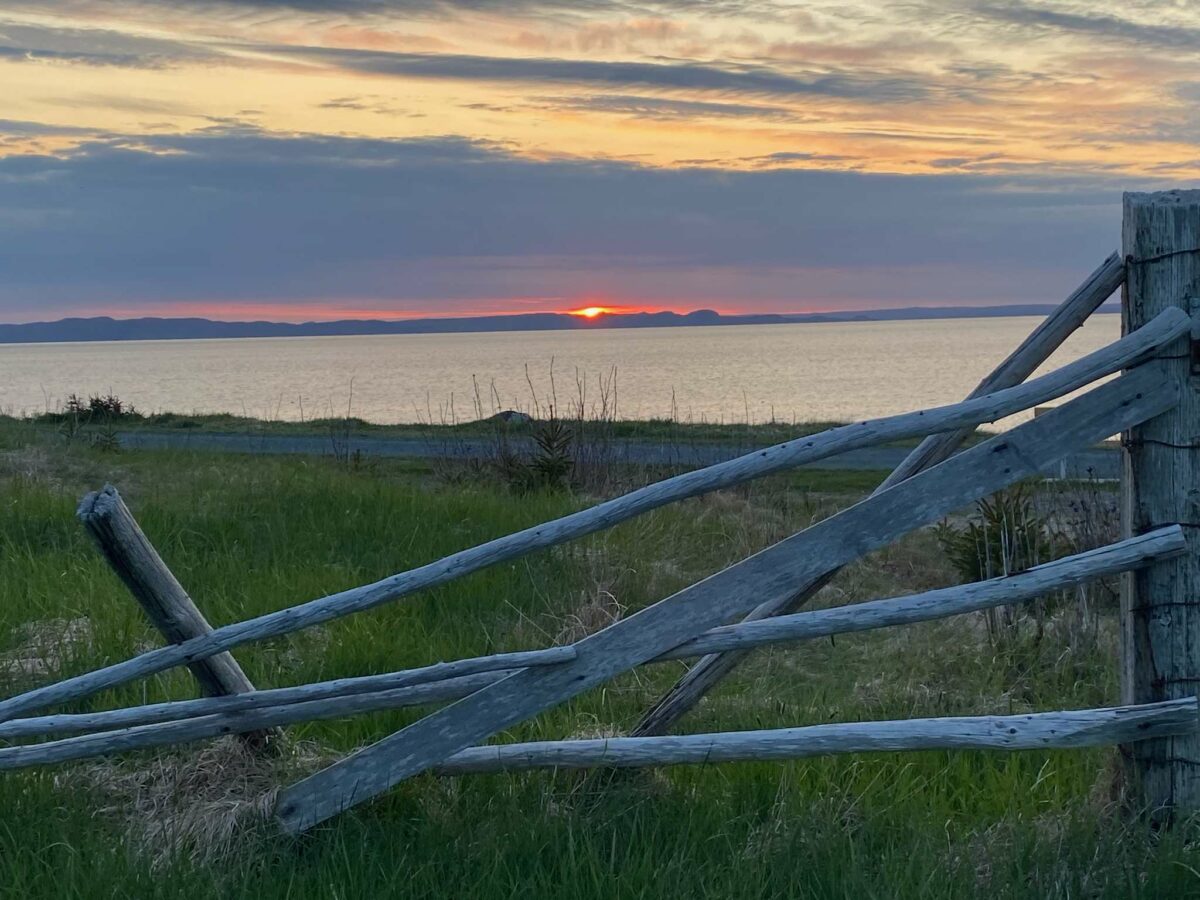
The sunsets that make people stay out past dinner

On the coast, the best light of the day arrives after most visitors have gone indoors to eat. The sun drops toward the water or behind a headland, and the sky goes through a long run of colour before it is dark. Plan for this, because the people who book a late table and skip the sunset miss the best part of the day.

Here is how to use it:

  • Choose lodging near the water or near a lookout so you can walk to the view rather than drive in the dark.
  • Eat early or eat late, but do not schedule dinner across the sunset.
  • Bring a warm layer even on a mild day, since the temperature falls quickly once the sun is down.
  • Leave a gap in the evening plan. Sunsets here are not on a timetable, and cloud or fog can change what you get from one night to the next.

If you take photographs, shoot from the shore facing the sky and again after the sun has gone. The colour often lasts longer than people expect, and the best frames can come after the crowd has left.

There is a sitesnl.com post on the sunsets that goes into where to watch and how to plan an evening around them. Read it before you pick where to sleep.

Water that is colder and wilder than you expect

The North Atlantic here is cold, and it stays cold. Visitors who picture a beach holiday should adjust their expectations. The water is for looking at, for boat trips, and for the coastline it carves, more than for a casual swim.

The water is also home to sharks. That is a fact about the ocean, and it is no reason to cancel a trip. It is a reason to respect the sea and to treat the coast as a wild place rather than a managed one.

A few practical points follow from that:

  • Take a boat tour with a local operator if you want to be on the water. They know the conditions and carry the safety gear.
  • Wear a life jacket on any boat if one is offered, and listen to the safety briefing.
  • Stay back from wet rock at the edge of the shore. Waves can reach higher than they look from a distance.
  • Ask a local before you wade or swim anywhere. Cold water can shock the body quickly, and conditions vary from cove to cove.

The sharks are one more reason the coast feels alive rather than decorative. Knowing they are out there changes how you look at the water, and most visitors find that more interesting than frightening. The matching post on sitesnl.com covers the cold water and the sharks in more detail, so read it before you plan any time on the sea.

What visitors say after they go, and the tips locals would add

Visitors tend to talk about the same few things when they come home: the scenery, the food, and how friendly people were. The scenery is easy to believe from photographs. The friendliness is harder to convey, which is part of why it is worth experiencing for yourself.

Here are the tips a local would add, based on how the province works.

Give yourself more time than the map suggests. Distances are large, roads can be slow, and the best stops are often unplanned. A trip that tries to cover everything ends up spent in the car.

Expect the weather to change. Fog, wind, rain and sun can all turn up in the same day. Pack layers and a waterproof jacket, and keep your plans flexible enough to swap a coastal day for an indoor one.

Book ahead for busy periods. Summer is when many visitors arrive, and accommodation and ferry or tour spaces can fill. Reserve the things you care most about early.

Talk to people. Ask a shopkeeper, a bartender or a boat captain what you should see. The answers are often better than a guidebook’s, and the conversation is part of the visit.

Slow down on the road. Wildlife can be on or near the roads, particularly around dusk. Drive more carefully in the evening, which is also when you will be heading out to watch the sunset.

The sitesnl.com post on visitor impressions and local tips gathers more of this advice. It makes a good second read once you have decided to go.

Baked beans and the table you will be invited to

Newfoundland baked beans are a plate of slow-cooked beans in a sweet and savoury sauce, and they are a real part of how people here eat. They are home cooking. You are more likely to find them on a kitchen table or on a menu that values tradition than in a fancy dining room.

That is the point of including them as one of the reasons to visit. Food here is tied to where you are and who you are eating with. A plate of beans can be a meal, and it can also be the start of a conversation about whose recipe is best.

To make the most of it:

  • Order the traditional dishes when you see them on a menu, and ask the server what is typically served alongside.
  • Try more than one version. Cooks have strong opinions, and no two pots are quite the same.
  • Accept an invitation to a meal if you are offered one. Hospitality is a normal part of life here, and saying yes is the easiest way to see how people live.
  • Visit a local bakery or small restaurant rather than only the places aimed at travellers.

The sitesnl.com post on Newfoundland baked beans explains the dish and what to look for on the plate. If food is what draws you to a place, start there.

Small towns where people still talk to you

Much of the province is made up of small communities, many of them on the water. They are quiet, and you can walk through most of them in a short time. What you get in return is attention: people notice a visitor, say hello, and often ask where you are from and how you are finding things.

That friendliness is one of the strongest reasons to choose Newfoundland and Labrador over a destination where you would be one face among thousands. It changes the trip. You are a guest, and you are treated that way.

Here is how to put it to use:

  • Stay in a small town for at least a couple of nights instead of moving every day.
  • Walk the harbour or main street without a fixed plan and see who you meet.
  • Shop at local stores and eat at local places. It supports the community and gives you more to talk about.
  • Ask questions. People are usually glad to explain their town, their work and their favourite view.

You will come away with better stories than a checklist of sights would give you. Remember to be a considerate guest: respect private property, take your litter with you, and keep your voice down in places where people live.

How to start planning: when to go, how to get around, what to read next

Start with the season, because it shapes everything else. Summer is the easiest time for travel, with the most services running and the best chance of good weather for the coast. Other seasons can offer quieter roads and a different feel, but check what is open before you commit, since some tours and businesses run only for part of the year.

Next, decide how you will get around. The province is large and public transport will not take you everywhere you want to go, so most visitors rent a car. Build in extra time for driving, and plan overnight stops at a sensible interval rather than aiming for long days at the wheel. If you want to reach Labrador, look into the ferry and flight options early, as these need more advance planning than a drive to the next town.

Then choose your focus. You do not need to see everything on a first visit. Pick the reason that pulls you most:

  1. Sunsets and scenery: choose a coastal base and keep your evenings free.
  2. Cold water and wildlife: book a boat trip and learn the safety basics.
  3. Local food: plan your route around places to eat, and look for the baked beans.
  4. Small towns and people: stay longer in fewer places.

Once you have picked, read the matching post on sitesnl.com. Each one is written to help you turn a reason into a plan, and together they cover most of what a first-time visitor needs to know.

Pick one place from this list, then read the matching post on sitesnl.com and start sketching your trip.
The Trailway: Your Ultimate Guide to Epic Hikes

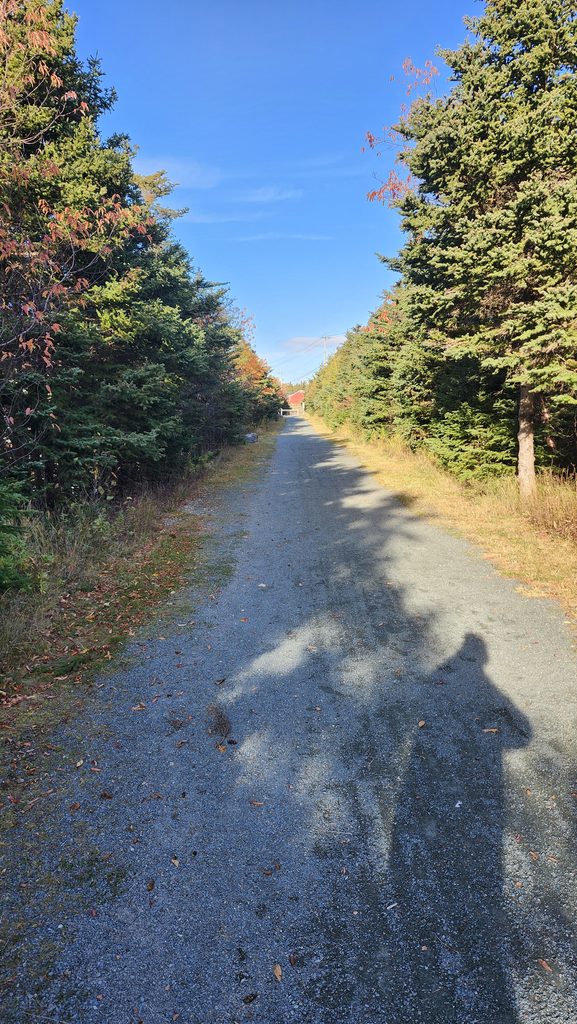
The Trailway between Anchorage Rd and Cherry Hill is our favorite place for walking. The following photo was taken around 3pm on Nov 6th. It is the view looking towards the gate at Cherry Hill.

Along the journey, The Trailway offers time to reflect, enjoy each other’s company, and take in our surroundings.

This moment also invites us to share a friendly hello with others along the way. There were a few people out walking their dogs and a couple of cyclists.

Today, we noticed how busy traffic is on The CBS Highway, the leaves are falling fron the trees as fall sets in. Also, the new homes under construction and the sound of hammering and heavy equipment.

Since the clocks went back an hour, darkness arrives earlier in the afternoon. Because I am retired, my preference would be to remain on daylight savings time.

Finally Retired, I Think

Finally Retired—I Think!

Retirement is supposed to be the time when you finally slow down, put your feet up, and enjoy a quieter life.

At least, that is the theory.

But after years of work, responsibilities, schedules, deadlines, and getting up because somebody expected you to, retirement can feel a little strange.

For the first time, the alarm clock is quieter.

The calendar is more open.

Monday does not feel quite as threatening as it once did.

And yet somehow, there are still things to do.

Projects appear.

Appointments multiply.

Family needs help.

The house always seems to need something.

And before long, you begin to wonder:

“Am I really retired—or have I simply changed jobs?”

This webpage is about the humorous, thoughtful, and sometimes surprising journey into retirement.

It is about learning to slow down without becoming inactive, finding purpose without a job title, enjoying freedom without losing direction, and discovering that life after work can still be full of meaning.

Retirement is not the end of usefulness.

It is not the end of growth.

It is not the end of adventure.

It may simply be the beginning of a different kind of life.

A life with a little more freedom.

A little more reflection.

A little more laughter.

And perhaps, finally, a little more time to ask:

“What do I really want to do today?”

So welcome to retirement.

Or at least…

I think I’m retired. I am 76, mid way through, and I have tried to retire from my maintenance job for 3 or 4 years. Finally found a replacement but I still work a few hours a week.

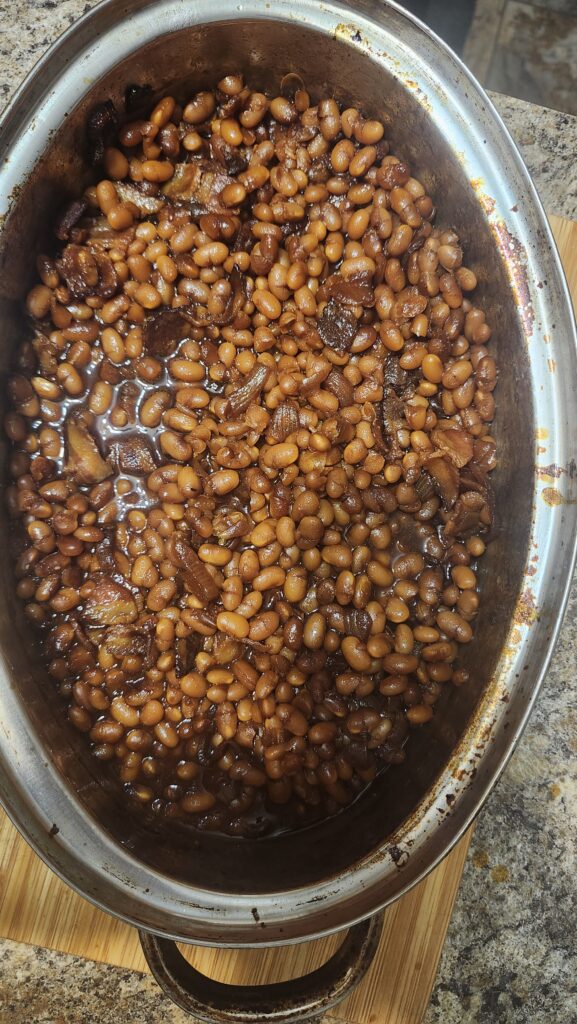
How To Make Newfoundland Baked Beans

Baked beans have been a staple in many Newfoundlanders diets for many years. I remember mom baking them when I was a child. Most recipes are the same and basically the only difference in Newfoundland baked beans and other places is the use of salt pork.

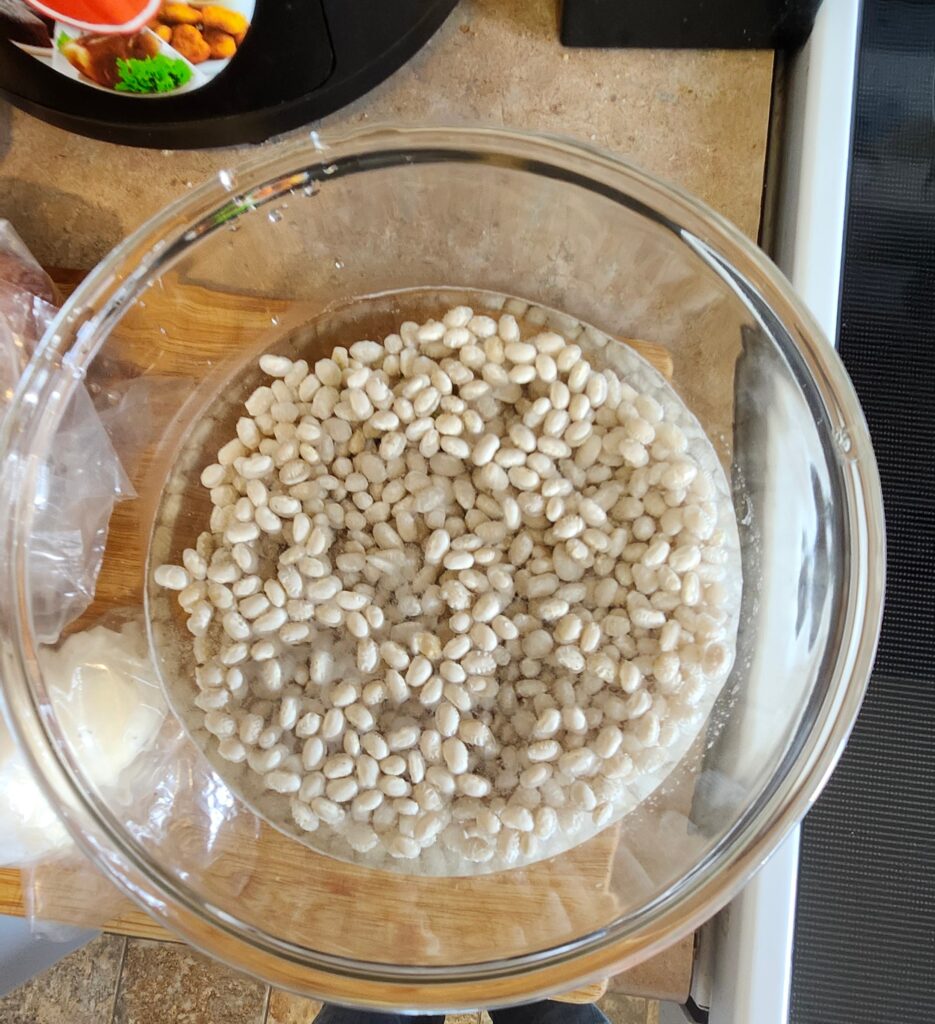
Today I will be using bacon instead of salt pork. First of all I will soak the beans for a few hours. They suggest overnight soaking and use 3 cups of water to one cup of beans. It is now 11am and I will check them around 3pm for softness. I had to add more water at 12 noon. May try to boil then to see if they will get softer quicker. This is the quick soak method mentioned below the images. Also there is a story about my grandmother and a salesman at the end.

Beans In Soak

How Long to Soak Beans for Baked Beans

Soaking Time

For dried navy beans (the classic baked-bean bean): Overnight soak (best method)

  • Soak 8–12 hours
  • Use 3 cups water per 1 cup beans
  • Beans should double in size

Quick soak (when short on time)

  1. Rinse beans
  2. Boil in water for 2 minutes
  3. Remove from heat, cover, and soak 1 hour
  4. Drain and rinse

Always discard soaking water


Classic Newfoundland Homemade Baked Beans

Ingredients

  • 2 cups dried navy beans (soaked)
  • 1 small onion, diced
  • ½ cup molasses
  • ¼ cup brown sugar
  • 2 tbsp ketchup
  • 1 tbsp mustard
  • 1 tsp salt
  • ½ tsp black pepper
  • 1–2 tbsp pork fat or butter (optional)
  • 3–4 cups hot water or bean cooking liquid
  • Salt Pork or bacon

Instructions

Pre-cook the beans

  • Drain soaked beans
  • Cover with fresh water
  • Simmer 30–45 minutes until just tender
  • Drain, reserve liquid

Assemble

  • Heat oven to 300°F (150°C)
  • Place beans in a covered casserole or Dutch oven
  • Add onion, molasses, sugar, ketchup, mustard, salt & pepper
  • Add pork or bacon or butter
  • Pour in enough liquid to just cover beans

3️⃣ Bake

  • Cover and bake 3–4 hours
  • Stir once halfway
  • Add more liquid if beans dry out
  • Uncover last 30 minutes to thicken
  • Some people take out and mush up a half cup or so to thicken

✅ Tips for Perfect Baked Beans

  • Beans should be tender, not mushy
  • Low & slow heat is key
  • Taste and adjust sweetness at the end
  • Beans taste even better the next day

? Variations

  • Maple beans: replace some molasses with maple syrup
  • Vegetarian: omit pork fat
  • Slow cooker: cook on LOW 7–8 hours after pre-cooking beans
Finished

The beans tasted good but they were firm. The next time that I make them I will make sure that I soak them over night. I tried the boiling method with those but it didn’t work out this time.


My grand-mother had, I guess you would now call it a bed and breakfast but years ago it was a room where mostly salesmen stayed when traveling throughout Newfoundland Labrador. She had raised her six children and a grandson herself as my grandfather had died in his mid thirties. It was difficult to provide for her children especially from 1930 to 1950.

She had made a large pot of baked beans and this one salesman was staying there for four nights. Well she served him baked beans for breakfast and supper, dinner in some places, and finally on the third day he left. Well you can imagine what was happening when he was visiting his customers. I know he must have told this story to other salesman and she must have lost many customers.

I wouldn’t be here without you. Every bit of support helps me keep creating, and I appreciate it more than words can say! https://ko-fi.com/stevewish

.

Tourist Reviews And Tips

Gros Morne National Park in Newfoundland, Canada

A brief summary of what tourists say after vacationing in Newfoundland — common praise, frequent complaints, and practical tips you can use when planning or sharing the trip.

What visitors love

  • Breathtaking scenery — visitors repeatedly call the fjords, coastal cliffs and parks “breathtaking” (Tablelands, Western Brook Pond, Gros Morne are frequent highlights). (Tripadvisor)
  • Wildlife & iceberg/whale trips — boat tours to see icebergs, whales and puffins are singled out as “must-do” experiences. Many rave about Twillingate and Witless Bay tours. (Tripadvisor)
  • Friendly locals & culture — reviewers and travel writers often highlight how warm and welcoming Newfoundlanders are, and how local music/food add to the experience. (Adventurous Kate)

Common gripes / realistic cautions

  • Booking in high season can be tight — rental cars, ferry berths and popular tours often sell out; travellers on community forums warn to book months ahead. (Reddit)
  • Changeable weather & bugs — pack layers and be ready for wind/rain; some visitors mention black flies in summer in certain places. (Adventurous Kate)
  • Rural driving distances — moving between highlights (e.g., St. John’s → Gros Morne → L’Anse aux Meadows) takes time — expect long scenic drives rather than short hops. (Suitcase and Heels)

Highlights tourists mention most (good for a short itinerary)

  • St. John’s: Jellybean Row, Signal Hill, lively pubs/culture. (Reddit)
  • Witless Bay Ecological Reserve / puffin & iceberg boat tours. (Tripadvisor)
  • Twillingate: iceberg alley & whale-watching.
  • Gros Morne NP: Tablelands, Western Brook Pond fjord cruises, panoramic hikes. (Tripadvisor)

Typical short tourist-style comments (paraphrased from reviews)

  • “The scenery is breathtaking — one of the best places I’ve camped.” (Tripadvisor)
  • “We saw icebergs and whales on a boat tour — unforgettable.” (Tripadvisor)
  • “Book your rental car and ferry early — summer fills up fast.” (Reddit)

Quick tips for travellers (practical)

  • Book ferries, accommodations and popular tours early (winter/early spring bookings for peak summer). (Reddit)
  • Pack layers, waterproof outerwear, sturdy shoes, and insect repellent. (Adventurous Kate)
  • Bring a good camera and binoculars for wildlife — boat tours are often worth the price. (Tripadvisor)
  • Respect private property and fragile bog/coastal habitats when foraging or hiking. (Her Jolie Journey)

Sharks In Newfoundland Waters

Several shark species live in and visit Newfoundland waters (most commonly blue sharks), and sightings of big visitors like great whites have risen in recent years — but attacks on people are extremely rare. (Government of Newfoundland and Labrador)

Below is a quick, practical summary you can read in a minute.

Which sharks are found here

  • Blue shark — the most common large shark seen off Newfoundland (shelf break, Grand Banks, Gulf). (Pêches et Océans Canada)
  • Porbeagle, mako, spiny dogfish, black dogfish, basking shark, Greenland shark and occasional great whites are also recorded in the region. The provincial research summary lists a number of species that use these waters seasonally or year-round. (Government of Newfoundland and Labrador)

When & where you’re likely to see them

  • Seasonality: Many species (blue, mako, great white visitors) are more common in spring–summer–early fall when waters warm and prey (like seals, mackerel, squid) move in. (Government of Canada)
  • Hotspots: Shelf break, the Grand Banks, the Cabot Strait and the Gulf of St. Lawrence are common places for sightings. Fishermen also report sharks near productive fishing grounds. (Pêches et Océans Canada)

Are they dangerous to people?

  • Risk is very low. While great whites and makos are large predators, fatal shark–human encounters in Atlantic Canada are extremely rare; recent research shows an increase in sightings as sharks follow prey north, but attacks remain uncommon. (AP News)

Practical safety tips (for swimmers, boaters & fishers)

  • Avoid swimming alone, at dawn/dusk, or near seal colonies (sharks follow seals).
  • Don’t swim with open wounds; avoid shiny jewelry that can attract fish.
  • If you see a shark from shore or boat, calmly leave the water and report the sighting to local authorities/harbour master.
  • When fishing: expect sharks to pilfer bait or take hooked fish; use stout tackle and follow safe-handling guidance if releasing.
    (These are common-sense precautions used where sharks are present — they greatly reduce risk.)

Great White Shark Helena Tracking Off Coast of Newfoundland | VOCM

Here are the most recent, verifiable shark sightings/detections near Newfoundland & adjacent waters (summer–early fall 2025):

  1. Great white “Baker” — Grand Banks (pinged Aug 1, 2025).
    A transponder from an OCEARCH-tagged great white named Baker registered on the Grand Banks southeast of Trepassey. (VOCM)
  2. Great white “Dold” — mouth of the St. Lawrence (pinged Aug 30, 2025).
    OCEARCH data show Dold at the gateway to the St. Lawrence estuary — a detection that placed the animal very near the entrance to the estuary. (Shark Science Requins)
  3. Public advisory — increased white shark presence in the Gulf of St. Lawrence (mid-Aug 2025).
    Regional monitoring groups issued advisories in August noting an uptick in white-shark detections in the Gulf / St. Lawrence region. (Shark Science Requins)
  4. Local coastal sightings reported (summer 2025).
    Community posts and local outlets recorded individual shore/nearshore sightings (for example: a reported sighting off Old Perlican in July). These are typically photo/social reports rather than formal research pings. (Facebook)
  5. Bigger trend — great whites and other large sharks moving north.
    Multiple news/science outlets report an overall rise in great-white and large shark detections along the northern Atlantic coast (Maine → Nova Scotia → Newfoundland), tied to warming seas and recovering seal populations. (CBS News)

Practical note: researchers (OCEARCH and regional observatories) publish real-time ping maps you can watch, and local marine authorities sometimes post public advisories when detections occur. OCEARCH’s tracker and the St. Lawrence Shark Observatory pages are good real-time sources. (OCEARCH)

Newfoundland Labrador Sunsets

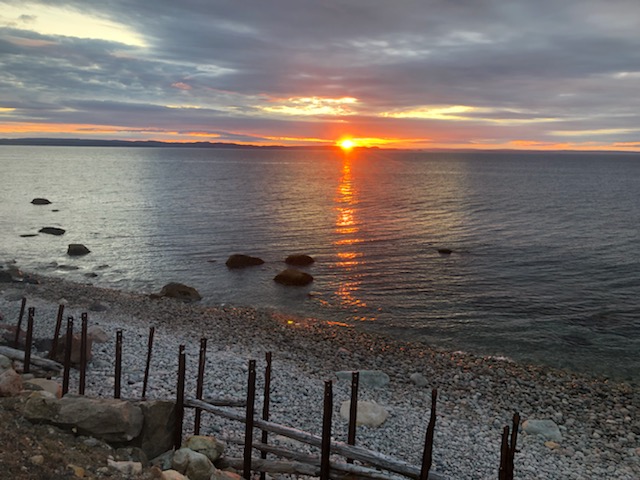
There is nothing more beautiful then a sunset over-looking the water. Newfoundland Labrador has some of the most spectacular locations for taking sunset photo.


Where to Catch These Spectacular Sunsets in Newfoundland

My favorite spots are, from The Trailway in Conception Bay South and Topsail Bluff

J Wiscombe Photo from Trailway, Con Bay South

Quick Planning Tips for Sunset Watchers

  • Set out about 30 minutes before sunset—the skies light up before and after the sun dips below the horizon.
  • Check the weather first; clear or partly cloudy skies make for stunning, colorful displays.
  • Bring what you need: camera, warm layers (especially near water), and perhaps a blanket or thermos if you’re staying awhile.
  • Explore trails and lookouts—places like Topsail Bluff and Summit Drive offer easy access and gorgeous views just steps from the car.

Taken from Trailway Con Bay South

Recommended Sunset Spots at a Glance

LocationHighlights
Topsail Bluff / Portugal CoveCoastal cliffs and colourful skies near St. John’s.
Summit Drive, ParadiseElevated, sweeping views across Conception Bay.
Quidi VidiQuaint fishing village vibe with great waterfront sunsets.
Fortune Head, Burin PeninsulaDramatic sunsets over open bays—astounding scenery with a geological twist.
Trout River (Gros Morne)Serene sunsets over tranquil waters amid iconic Newfoundland terrain.
Captain Cook Site, Corner BrookIdeal elevated viewpoint for panoramic sunset shots.

Donna Wiscombe Photo from deck over-looking Con Bay

Squid Jigging

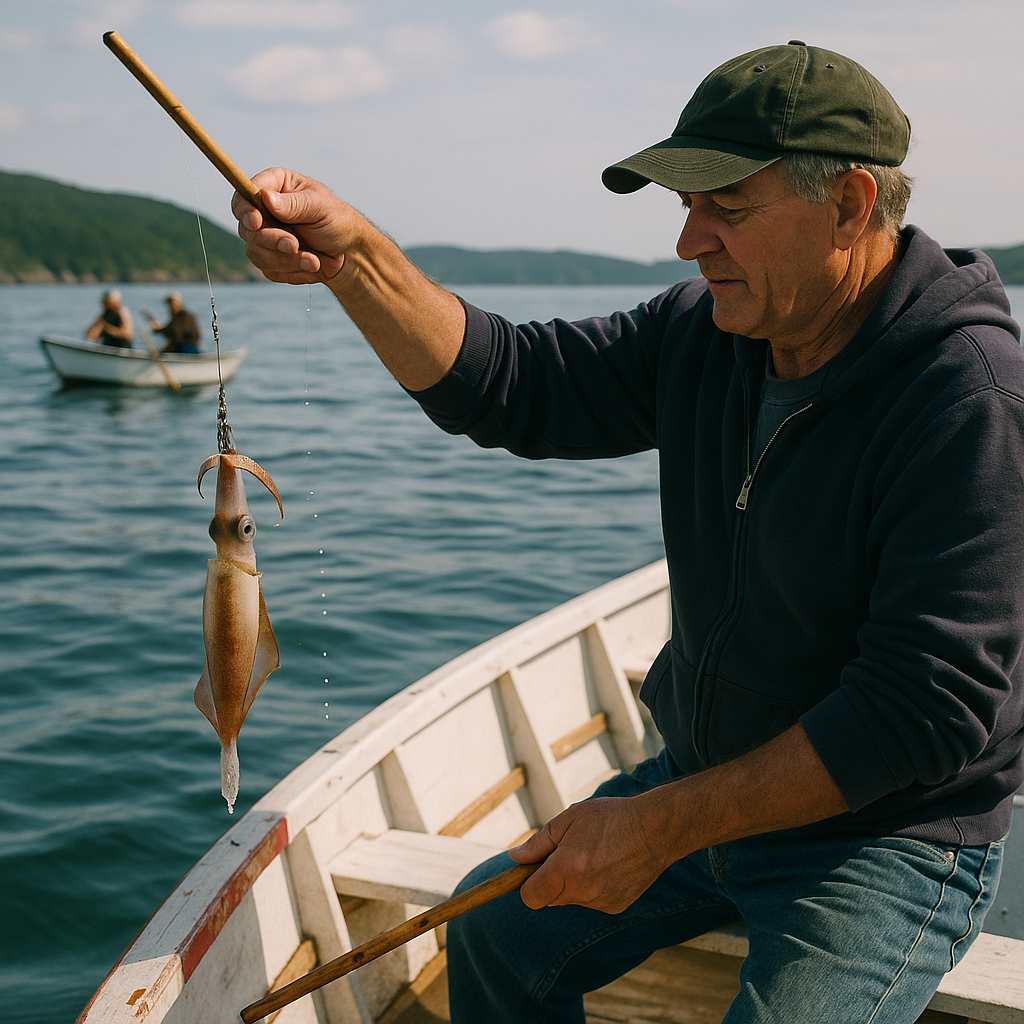
Squid jigging in Newfoundland — a tradition that is both cultural and practical:


? What is Squid Jigging?

  • Squid jigging is the practice of catching squid (mainly short-finned squid, locally called loligo or squid) using specialized lures called jiggers.
  • A jig is usually a weighted lure with sharp barbless prongs. Squid grab onto it with their tentacles, and when the line is pulled, they are hauled aboard.

? Where it Happens

  • Widespread along Newfoundland’s coasts, especially in bays and harbours during the summer months.
  • Famous jigging spots include:
    • Holyrood (Conception Bay) – linked with the folk song “The Squid Jiggin’ Ground.”
    • Change Islands – also associated with the song and a rich tradition.
    • Twillingate, Bonavista, and Trinity Bays – popular for both commercial and recreational jigging.
    • St. John’s & surrounding areas – locals often jig right from wharves, beaches, or small boats.

?️ Season & Timing

  • Season: Usually July through September, depending on water temperatures and migration.
  • Best Times: Early morning or late evening, when squid come closer to shore.
  • Squid arrive in large schools, often creating exciting nights when “the water seems alive.”

? Culture & Festivals

  • Folk Song: “The Squid Jiggin’ Ground” (written by Arthur Scammell, 1928) is one of Newfoundland’s best-known songs, celebrating the humour and community around jigging.
  • Festivals: Many towns celebrate with squid festivals (like SquidFest in Holyrood), mixing food, music, and fireworks with the fishing tradition.
  • Jigging isn’t just about catching squid — it’s also a social event, often with families and neighbours gathering on wharves to share the fun.

? Eating Squid

  • Freshly caught squid is a Newfoundland delicacy.
  • Common dishes: pan-fried squid rings, stuffed squid, or squid stew. Locals also freeze squid for winter use as food or fishing bait.

Here are some tasty squid recipes you might enjoy:


1. Fried Calamari (Classic)

Ingredients:

  • 1 lb squid (cleaned, cut into rings)
  • 1 cup flour
  • 1 tsp salt & pepper
  • ½ tsp paprika
  • Oil for frying
  • Lemon wedges

Steps:

  1. Pat squid dry, dredge in seasoned flour.
  2. Heat oil to 350°F and fry squid until golden (2–3 minutes).
  3. Drain on paper towel, serve with lemon and garlic aioli.

2. Stuffed Squid (Newfoundland Style)

Ingredients:

  • 8–10 medium squid (cleaned, tentacles reserved)
  • 1 cup breadcrumbs
  • ½ onion, finely diced
  • 1 clove garlic, minced
  • 2 tbsp butter
  • ½ cup cooked rice or potato
  • Salt, pepper, parsley

Steps:

  1. Sauté onion, garlic, and chopped tentacles in butter.
  2. Add breadcrumbs, rice/potato, and seasoning.
  3. Stuff squid tubes, secure with toothpicks.
  4. Bake at 375°F for 25–30 minutes or simmer gently in tomato sauce.

3. Squid Stew

Ingredients:

  • 1 lb squid (rings & tentacles)
  • 1 onion, chopped
  • 2 tomatoes, diced (or 1 can)
  • 2 potatoes, cubed
  • 2 tbsp oil
  • ½ cup white wine
  • Fresh parsley

Steps:

  1. Sauté onion in oil until soft.
  2. Add squid and stir 2–3 minutes.
  3. Add tomatoes, wine, and potatoes. Simmer 30–40 minutes.
  4. Garnish with parsley and serve with bread.

4. Grilled Squid

Ingredients:

  • Whole squid, cleaned
  • Olive oil, lemon juice
  • Garlic, chili flakes, parsley

Steps:

  1. Marinate squid in oil, lemon, garlic, chili.
  2. Grill on high heat, 2 minutes per side.
  3. Serve with extra lemon and herbs.

Wildfires In newfoundland 2025

Wild Fires In Newfoundland 2025


Wildfire Situation in Newfoundland and Labrador, 2025

Overview: Canada-Wide Context

  • Canada is currently experiencing its second-worst wildfire season on record, with over 7.3 to 7.8 million hectares burned this year.
  • Wildfires have significantly impacted Atlantic provinces—including Newfoundland and Labrador, where dry conditions and human and natural causes (like lightning) are fueling the spread.
  • The season’s severity is attributed to climate change, which has created hotter, drier, and longer-lasting fire seasons.

Local Fire Incidents in Newfoundland

Several specific wildfires have had major impacts on local communities:

  • Adam’s Cove Fire (May 8, 2025): Approximately 600 hectares burned, with 40 structures destroyed.(Wikipedia)
  • Kingston Fire (starting August 3, 2025): Originating near Kingston, the fire expanded through Small Point–Adam’s Cove–Blackhead–Broad Cove and Western Bay. As of August 13–15, it had scorched 8,000–10,000 hectares, destroyed around 100 homes, and even leveled the Cabot Academy elementary school in Western Bay.(Wikipedia)
  • Wildfires on the Avalon Peninsula: Named fires like Martin Lake, Paddy’s Pond (near Paradise), and the Conception Bay North wildfire continue to burn:
    • Martin Lake: ~1,770 hectares, currently out of control.
    • Paddy’s Pond: ~318 hectares, listed as being held.
    • Conception Bay North: ~10,708 hectares, out of control.(Wildfire Info Canada)

Emergency Response and Evacuations

  • The Canadian Red Cross is deeply involved, having registered over 6,500 evacuees from 3,200+ households and providing emergency lodging, hygiene kits, and information services in Conception Bay South and Carbonear.
  • The National Wildland Fire Situation Report (as of August 20, 2025) provides these status updates:
    • Martin Lake Fire: 1,770 hectares, out of control.
    • Paddy’s Pond: 318 hectares, being held.
    • Conception Bay North: 10,708 hectares, out of control.
  • Nationally, Canada is at Preparedness Level 5, indicating full mobilization of resources with domestic and international support being deployed.(Wildfire Info Canada)
  • Hurricane Erin, although staying offshore, may complicate firefighting efforts by bringing gusty winds and surf to coastal areas like the Avalon Peninsula. Fire officials have noted that rain would help—but high winds pose significant operational risks.(Global News)
  • Nationwide, there are calls for improved fire preparedness and adaptation. The wildfire season’s duration and severity are pushing stakeholders to rethink land management, infrastructure, and climate resilience.(The Guardian)

Summary Table

AspectDetails
Scale of Fire Season (Canada)Second-worst on record; 7.3–7.8 million hectares burned
Key Local Fires in NLAdam’s Cove, Kingston area fires, Avalon Peninsula fires
Area Burned (Kingston Fire)Up to 10,000 hectares
Evacuees Registered6,500+ individuals (~3,200 households)
Support ProvidedEmergency accommodations, financial aid, hygiene kits
Donation MatchingFederal government matches Red Cross donations—dollar for dollar
Preparedness LevelNational Level 5—full interagency and international mobilization
Hurricane Impact RiskOffshore Hurricane Erin may introduce hazardous winds for fighting fires

Some of the information in this post may have changed since the date of this post.


Newfoundland Music

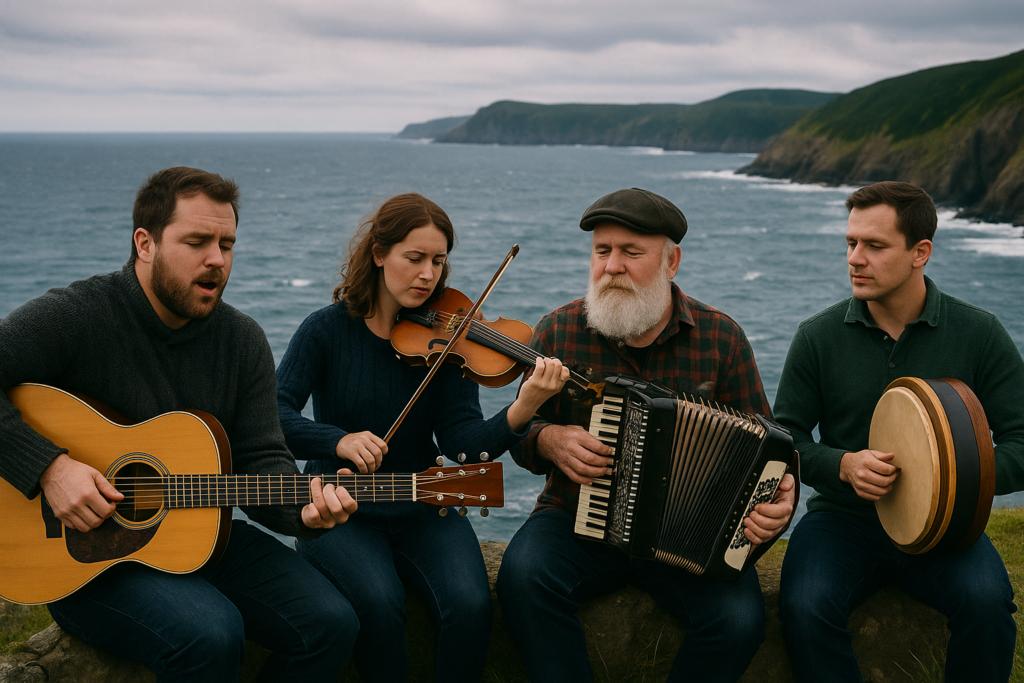
Newfoundland music is rich, lively, and deeply tied to the island’s culture, history, and storytelling. It blends Irish, English, Scottish, and French influences with a uniquely Newfoundland flavor.


? Traditional Newfoundland Music

  • Irish & Celtic Roots: Many songs come directly from Irish jigs, reels, and ballads, brought over by settlers. Fiddles, accordions, tin whistles, and bodhráns are common instruments.
  • Sea Shanties & Ballads: Music was often about the sea, fishing, sealing, shipwrecks, and everyday life. Songs like The Ryans and the Pittmans (“We’ll Rant and We’ll Roar”) became iconic.
  • Kitchen Parties: Informal gatherings where families and friends played instruments, sang, and danced. The “kitchen party” is still a Newfoundland cultural hallmark.

? Well-Known Newfoundland Songs

  • I’se the B’y – A lively folk song known across Canada.
  • The Ryans and the Pittmans – A rousing sea shanty.
  • Sonny’s Dream – Written by Ron Hynes, one of Newfoundland’s greatest songwriters; covered worldwide.
  • Let Me Fish Off Cape St. Mary’s – A heartfelt ballad about love of place.
  • Lukey’s Boat – A humorous traditional tune, often performed by Great Big Sea.

? Famous Newfoundland Musicians & Bands

  • Great Big Sea – Brought traditional Newfoundland music to international audiences with energetic folk-rock.
  • Ron Hynes – Known as “The Man of a Thousand Songs,” revered for his songwriting.
  • Figgy Duff – Helped revive traditional folk music in the 1970s and 80s.
  • The Ennis Sisters – Blending traditional and contemporary sounds with rich harmonies.
  • Buddy Wasisname and the Other Fellers – Comedy, storytelling, and music, beloved across Newfoundland.

? Instruments Commonly Used

  • Fiddle ?
  • Accordion ?
  • Tin whistle & flute ?
  • Bodhrán (Irish drum) ?
  • Guitars & mandolins ?
  • Voices – strong harmonies are a hallmark

? Dance & Social Life

  • Set Dancing & Jigs: Music is tied to dance, often fast-paced and communal.
  • Community Concerts & Festivals: Events like the Newfoundland Folk Festival in St. John’s celebrate traditional and modern performers.

? Themes in the Music

  • The sea (fishing, sailing, shipwrecks).
  • Community life and humor.
  • Longing for home and resilience.
  • Faith and storytelling.

:


Here’s a short history timeline of Newfoundland music, highlighting key moments and traditions:


Early Roots (1600s–1800s)

  • Indigenous Music (Beothuk, Mi’kmaq, Innu): Traditional songs, chants, and drumming reflected spiritual life, hunting, and storytelling.
  • Irish & English Influence: With immigration in the 1700s–1800s, Irish reels, jigs, and English ballads shaped Newfoundland folk traditions. Fiddle, accordion, and bodhrán became central instruments.
  • Sea Shanties & Ballads: Fishermen and sailors sang work songs and narrative ballads about the sea, sealing, shipwrecks, and outport life.

1900s–1940s

  • Song Collecting: Folklorists like Maud Karpeles recorded traditional songs, preserving oral heritage.
  • Radio & Local Bands: Early Newfoundland radio carried folk music, dance tunes, and accordion styles across the island.

1950s–1960s

  • Folk Revivals: Local groups began performing traditional material on stage, blending Irish, Scottish, and Newfoundland styles.
  • Cultural Identity Strengthened: Music became a key expression of Newfoundland nationalism during Confederation debates.

1970s–1980s

  • The Rise of Bands:
    • Ryan’s Fancy (formed in 1971) brought traditional Newfoundland songs to a wider Canadian audience.
    • Figgy Duff (founded in 1976 by Noel Dinn) fused rock with traditional Newfoundland ballads and became a cultural landmark.
    • Wonderful Grand Band mixed comedy, rock, and folk on television, boosting Newfoundland identity.
  • Revival of Traditional Songs: “I’se the B’y,” “Lukey’s Boat,” and “The Kelligrews Soiree” became widely recognized.

1990s–2000s

  • International Recognition:
    • Great Big Sea (formed 1993) modernized Newfoundland folk, blending it with pop-rock and reaching global audiences.
    • Artists like Ron Hynes (“Man of a Thousand Songs”) gained fame for songwriting rooted in Newfoundland stories.
  • Celtic & Folk Festivals: Newfoundland folk festivals expanded, celebrating heritage.

2010s–Present

  • Diverse Styles: Traditional music remains strong, but genres like indie rock, hip hop, and classical have grown in the province.
  • New Voices: Artists like The Once, Amelia Curran, Fortunate Ones, and Rum Ragged carry the folk tradition forward.
  • Cultural Exports: Newfoundland music continues to showcase a strong sense of place, storytelling, and seafaring heritage to the world.

?